Mold Detection in Palm Beach County, FL
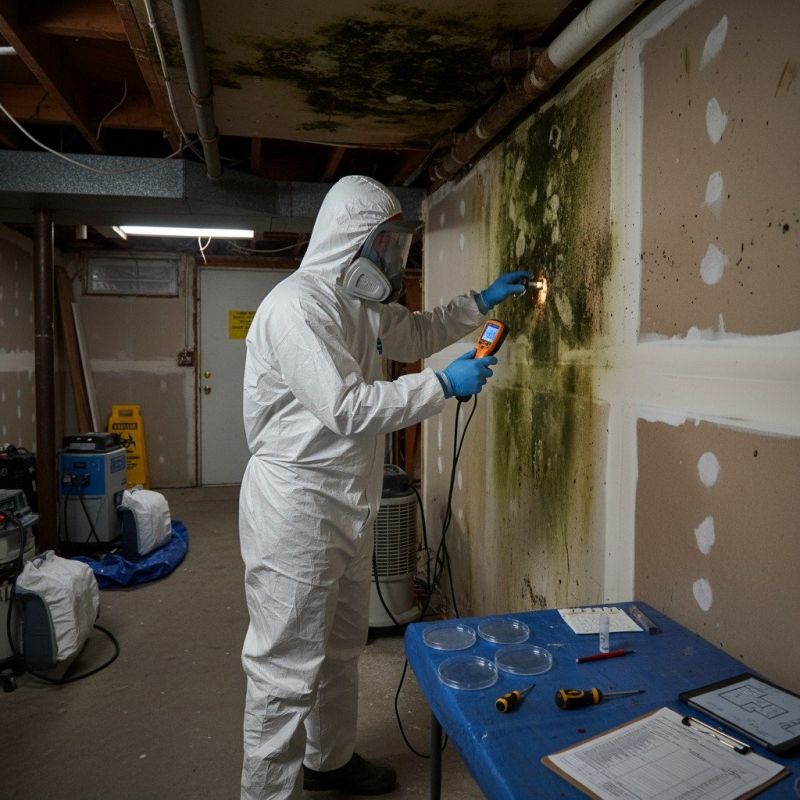
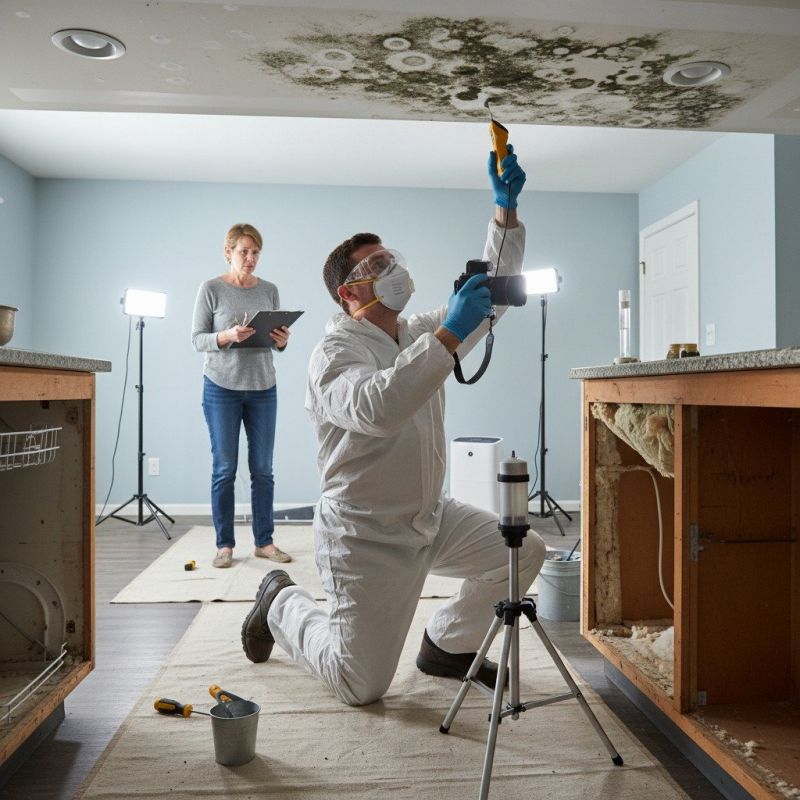
Mold detection services are designed to identify the presence of mold growth within residential properties, helping homeowners understand if mold is affecting their indoor environment. These services typically involve thorough inspections of areas prone to moisture, such as basements, bathrooms, attics, and behind walls, along with the use of specialized equipment to detect hidden mold. Property owners often request mold detection when experiencing symptoms like musty odors, visible mold patches, or unexplained allergy-like reactions, or after water damage or flooding events.
Before requesting mold detection, homeowners usually want to know if mold is present, the extent of any contamination, and whether it poses health concerns. It’s common for property owners to seek clarity on the areas that should be inspected, the types of mold that might be growing, and what steps are necessary if mold is found. Accurate detection can help determine the appropriate remediation strategies to ensure a safe and healthy living environment.
Many property owners in Palm Beach County, FL look into Mold Detection for repairs, replacements, upgrades, and appearance-related improvements.
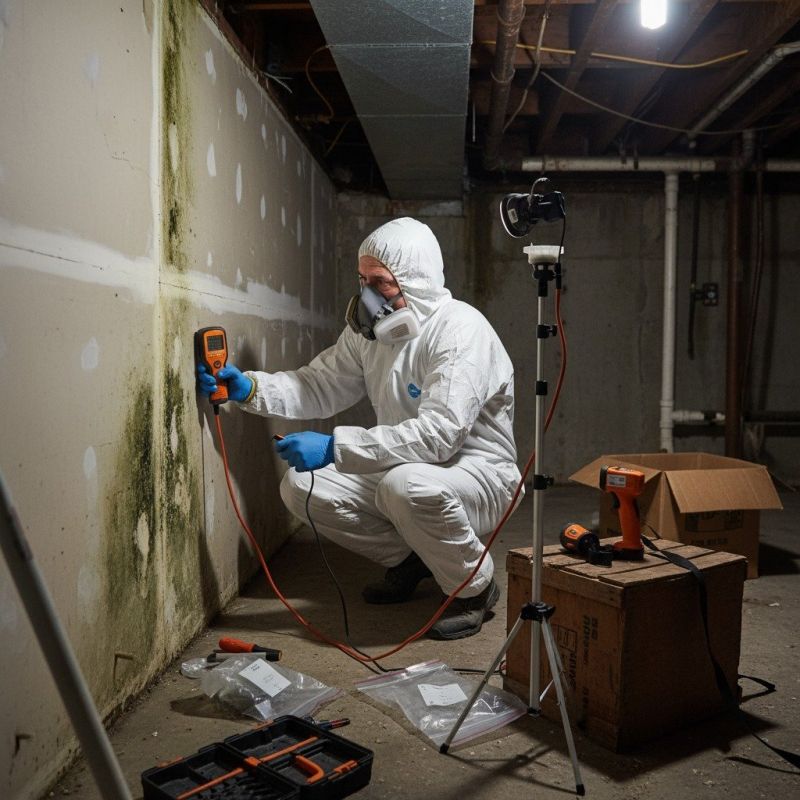
Identifying Hidden Mold
Detects mold presence in areas that are hard to see or access.
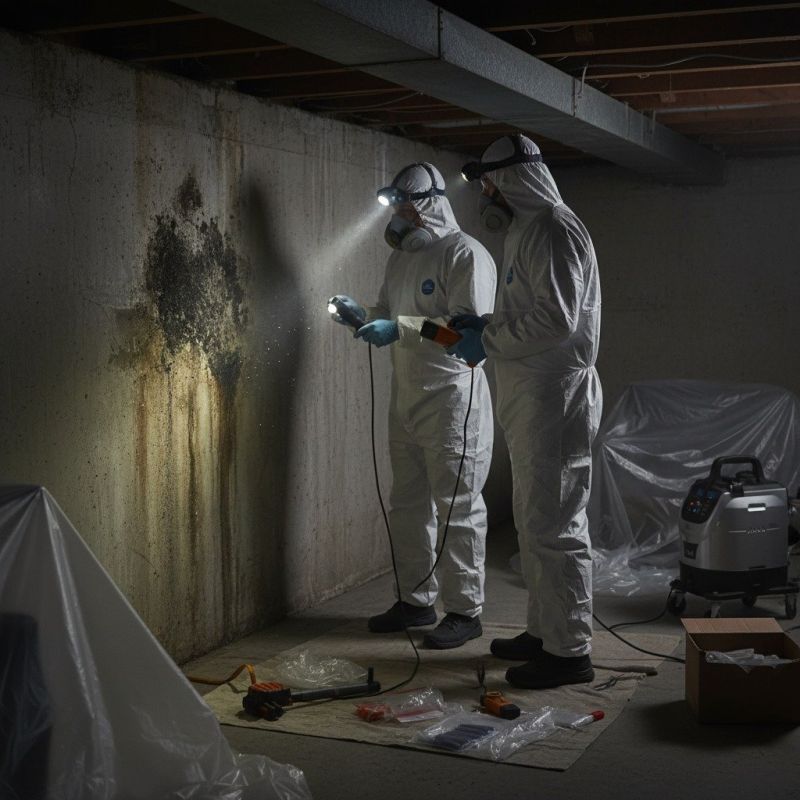
Assessing Indoor Air Quality
Evaluates mold spores and airborne contaminants affecting home air safety.
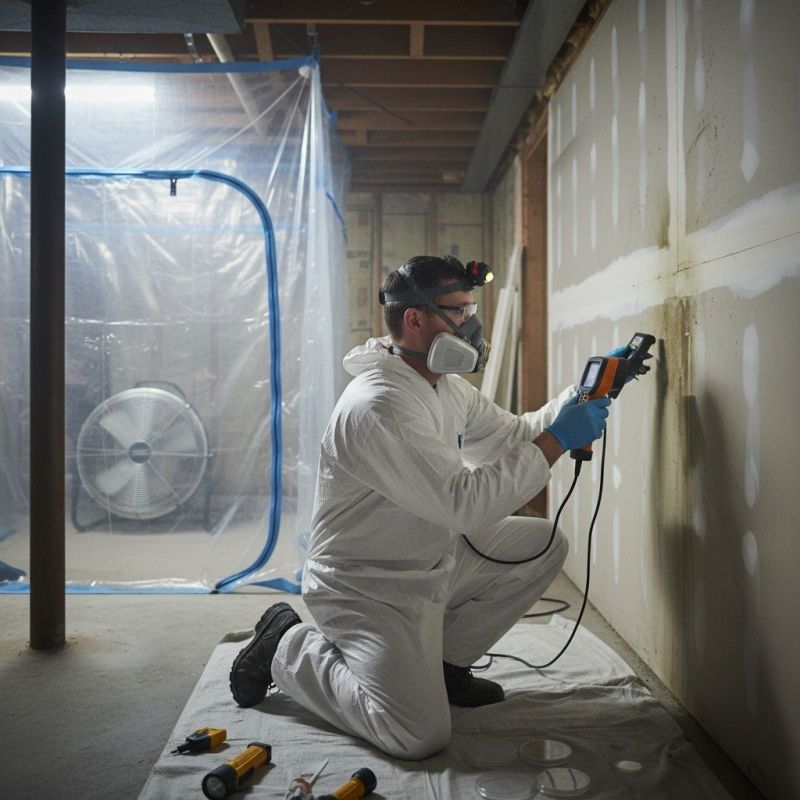
Preventing Structural Damage
Identifies mold growth that could compromise the integrity of walls and ceilings.
Mold Detection in Palm Beach County, FL
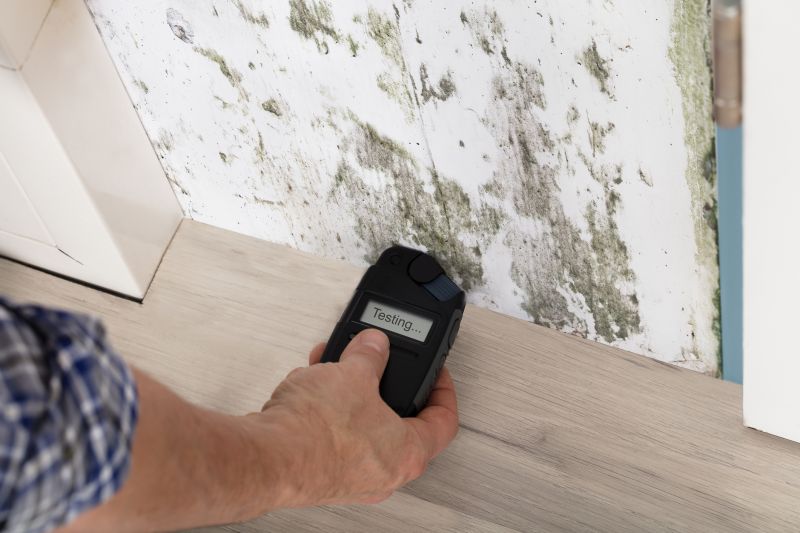
Mold detection services are designed to identify the presence of mold growth within residential properties, helping homeowners understand if mold is affecting their indoor environment. These services typically involve thorough inspections of areas prone to moisture, such as basements, bathrooms, attics, and behind walls, along with the use of specialized equipment to detect hidden mold. Property owners often request mold detection when experiencing symptoms like musty odors, visible mold patches, or unexplained allergy-like reactions, or after water damage or flooding events.
Before requesting mold detection, homeowners usually want to know if mold is present, the extent of any contamination, and whether it poses health concerns. It’s common for property owners to seek clarity on the areas that should be inspected, the types of mold that might be growing, and what steps are necessary if mold is found. Accurate detection can help determine the appropriate remediation strategies to ensure a safe and healthy living environment.
Many property owners in Palm Beach County, FL look into Mold Detection for repairs, replacements, upgrades, and appearance-related improvements.
Common Mold Detection Jobs
Mold Inspection - identifies hidden mold growth in walls, ceilings, and other concealed areas.
Moisture Testing - detects excess humidity and water intrusion that can promote mold development.
Air Quality Testing - measures airborne mold spores to assess indoor air safety.
Visual Inspection - examines visible mold and moisture sources on property surfaces.
Remediation Assessment - evaluates the extent of mold contamination to guide cleanup efforts.
Post-Remediation Testing - confirms mold removal effectiveness and indoor air quality restoration.
Mold Detection Questions
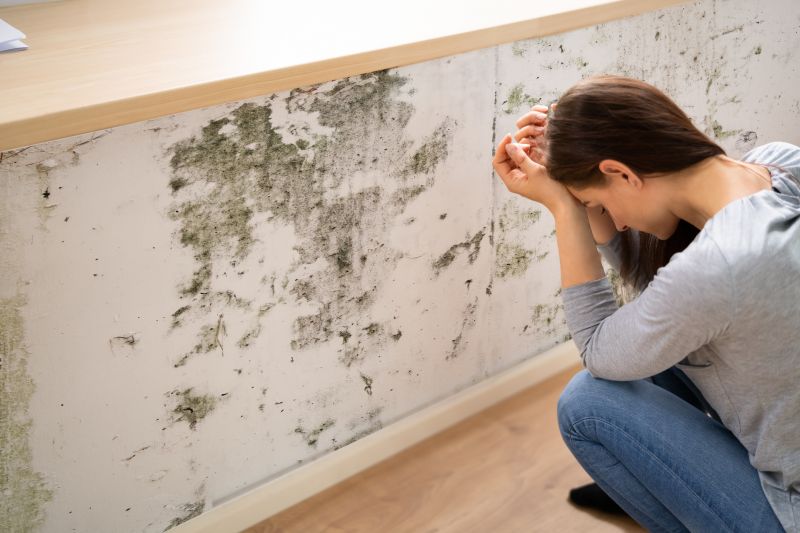
What is mold detection? Mold detection involves identifying the presence of mold in indoor environments to determine if it poses a health or property concern.
When should homeowners consider mold detection? Mold detection is recommended when there are visible signs of mold, persistent musty odors, or unexplained health issues.
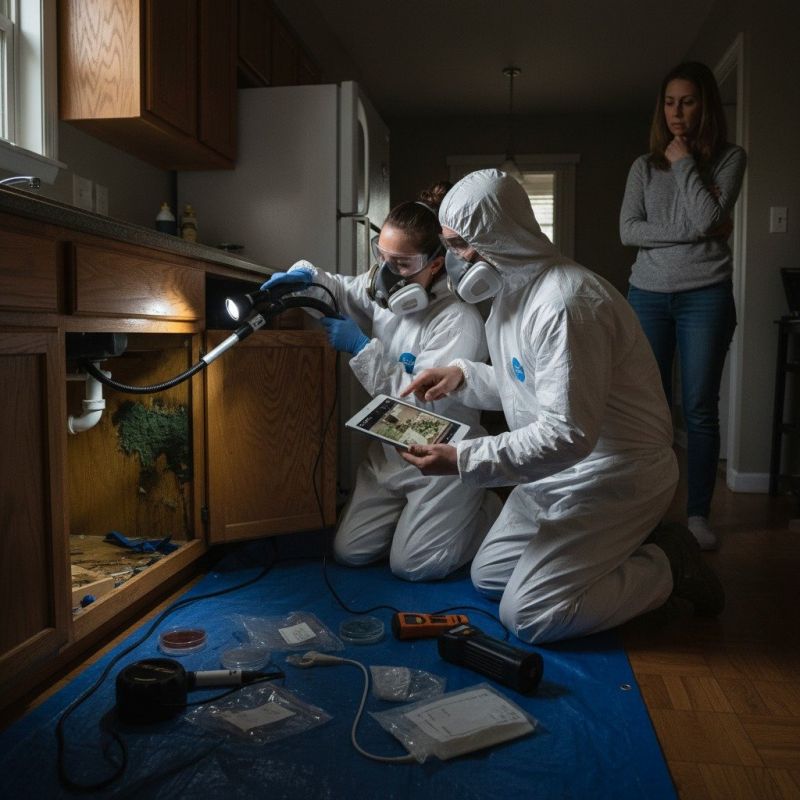
What methods are used for mold detection? Non-invasive inspections, surface sampling, and air quality testing are common methods to identify mold presence and types.
What are common areas for mold growth? Mold often develops in areas with moisture, such as bathrooms, basements, around leaks, or behind walls.
Request Mold Detection in Palm Beach County, FL
Use the quote form on this page to share the basics of your project and request more information for the type of work you need.